
Mamdani’s Budget Fails to Restore Veterans’ Suicide Prevention Funding, Leaving Program at 40% Capacity.
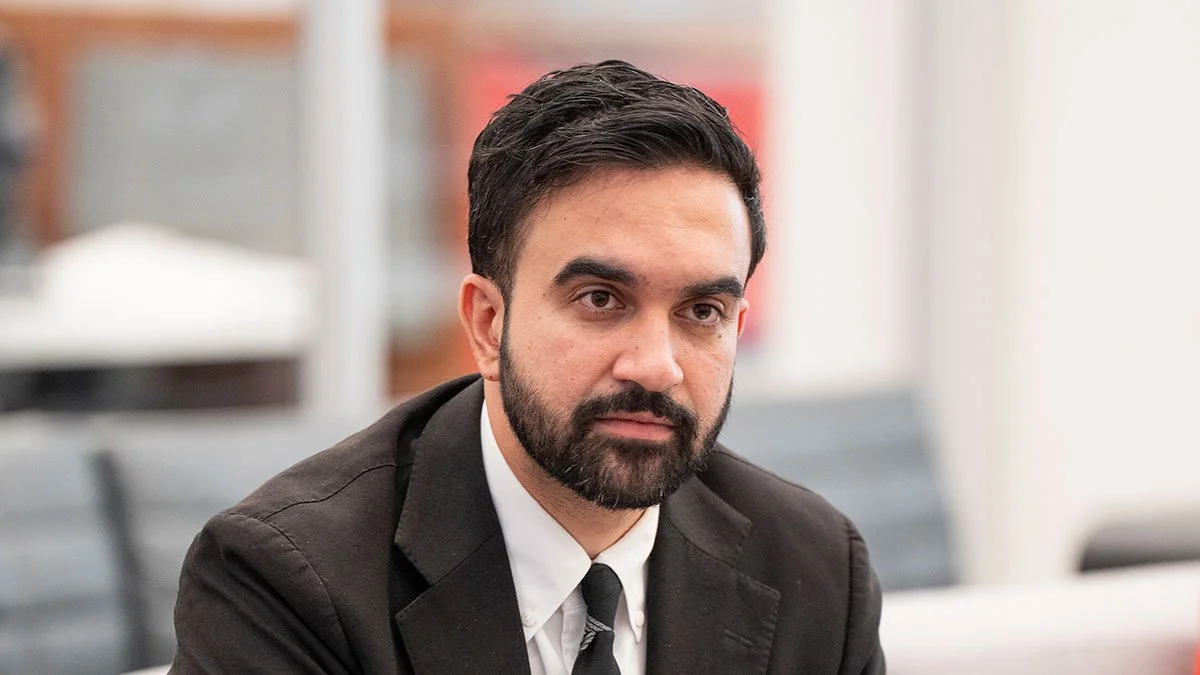
Yesterday, Mayor Mamdani stood before the city to present a $127 billion vision for New York’s future. It’s a budget defined by “tough choices” and an inherited $12 billion deficit. But tucked away in the smallest agency in the city, the Department of Veterans’ Services (DVS), is a choice that isn’t just tough. It’s dangerous.
The Mayor is allowing the funding for the PFC Joseph P. Dwyer Peer Support Program to drop from $1.1 million to just $416,000.
To a city with a hundred-billion-dollar checkbook, $600,000 is a rounding error. To the hundreds of thousands of veterans living in our five boroughs, that $600,000 represents the difference between a phone call that gets answered and a crisis that ends in tragedy.
The "Fiscal Cliff" Explained
City Hall’s defense is predictable: "We aren't cutting the program; the one-time grants simply expired." The surge in funding over the last two years indeed came from temporary state and federal stimulus. But a budget is a statement of priorities. By choosing not to backfill that money with city funds, the administration is effectively making a policy decision to scale back the most effective front-door suicide prevention tool we have.
Why Dwyer Matters
Veteran suicide is a unique epidemic. Data shows that 60% of veterans who die by suicide are not connected to the VA. They aren’t sitting in a doctor’s office, they’re at home, isolated, and often feeling like a burden to their families.
The Dwyer Program doesn’t use doctors; instead, it uses the power of social connection. It’s based on a simple, proven premise: a veteran is more likely to open up to someone who has worn the same boots. This social connectedness is the single most proven upstream intervention to prevent suicide before it reaches a point of no return.
When an agency as small as DVS (only 39 employees) sees a 60% drop in its primary outreach program, the impact is immediate. Fewer peer support programs to bring our community together and encourage self-identification. Less outreach capabilities to our veterans in the Bronx and Queens, where higher rates of isolation have been reported. A reduced ability to address those in their first year of leaving the military, our highest risk period.
The Bottom Line
We are told there is no money. Yet, this same preliminary budget finds hundreds of millions for new initiatives elsewhere. If we can afford a $127 billion budget, we can afford the $600,000 it takes to keep the Dwyer Program whole.
A flat budget in a time of rising crisis is a cut. We need to call it what it is.
This isn’t set in stone just yet. We have a chance to push back and protect the Dwyer program and stand up for DVS as a whole, but we need your voices to help make this happen. Click below to join us in advocating for our community and to let both the City Council and the Mayor know that our community is not a bottom-barrel priority.
In Service,
The Five Borough Veterans Team