The Government Failed These Veterans Once, Now It Wants to Send Lawyers After Them.
The VA and DOJ just signed an agreement that could force homeless veterans into institutional care. We were on the streets of Manhattan the night before it dropped.
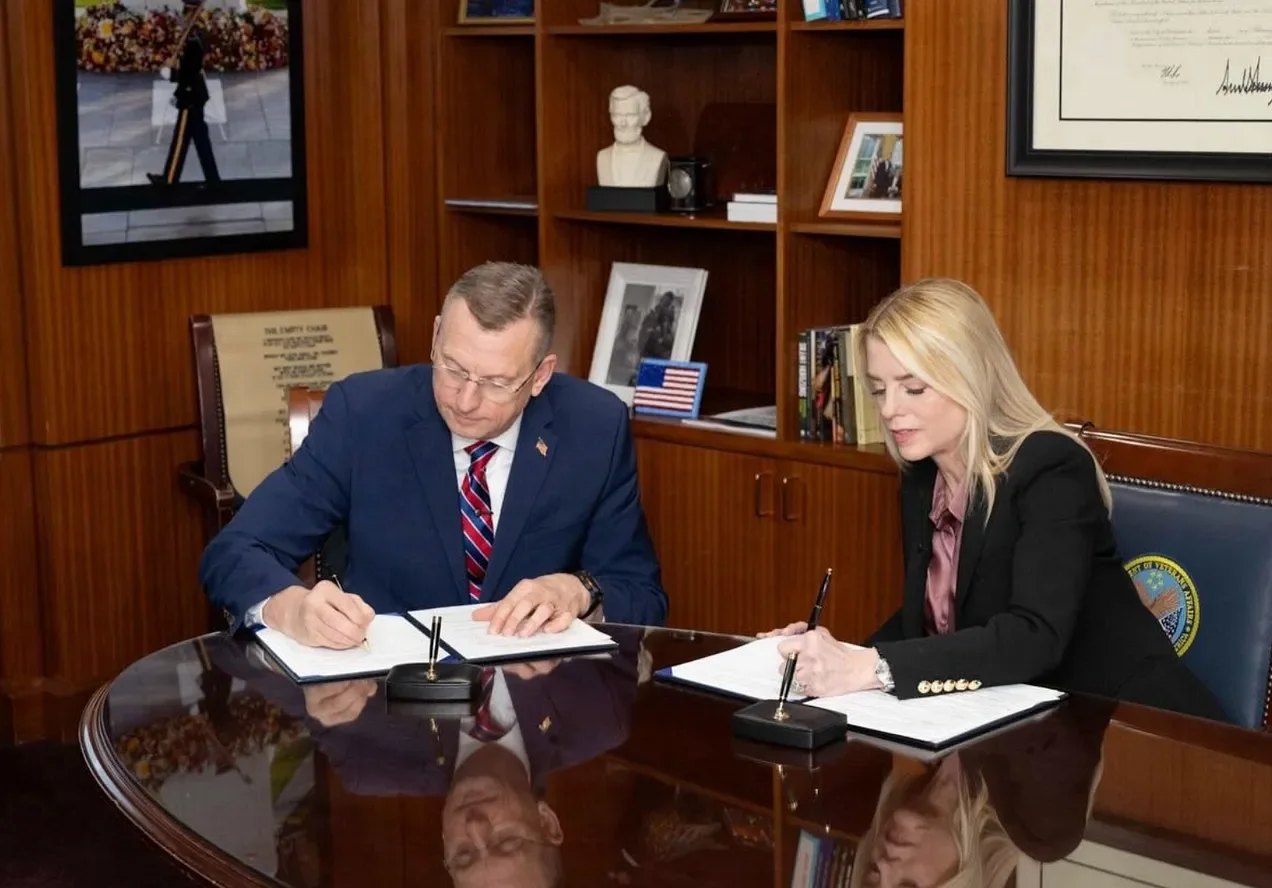
VA Secretary Collins and Attorney General Bondi sign the VA-DOJ MOU.
On March 11, the Department of Veterans Affairs and the Department of Justice signed a memorandum of understanding, giving VA attorneys the legal authority to initiate guardianship and conservatorship proceedings in state courts on behalf of veterans deemed unable to make their own health care decisions. VA Secretary Doug Collins called it “an ongoing commitment to ensuring that every Veteran receives timely, appropriate care.” Attorney General Pam Bondi said the government owes veterans “a debt we can never fully repay.”
What the press release didn’t say is what the Independent and the New York Times reported the same day:
These guardianship proceedings can force veterans experiencing homelessness into involuntary treatment for mental illness and addiction.
Jennifer Mathis, deputy director of the Bazelon Center for Mental Health Law, told the Times her read on the initiative is that it’s designed to have people “placed under guardianship so they can have a person appointed who will force them into congregate or institutional settings when there isn’t anything else available.”
This didn’t come out of nowhere. An executive order issued by the President last July directed Attorney General Bondi to encourage the use of civil commitment, court-ordered mental health treatment, with explicit language about “shifting homeless individuals into long-term institutional settings” to “restore public order.” The VA-DOJ agreement is that executive order moving from policy to practice.
Nationally, nearly 33,000 veterans are experiencing homelessness. Nearly 14,000 live on the streets. In New York City, the problem is compounded by something the VA has never solved: only 24.1% of veterans here self-identify, well below the national average of 34.3%. That means the majority of veterans in this city aren’t accessing services they’ve earned, and the veteran population is shrinking at nearly 5% a year, faster than anywhere else in the country. The NYC Department of Veteran Services presented these numbers to the New York City Council Committee on Veterans in January 2025. The VA’s response, more than a year later, is to dispatch lawyers.
We were on the streets of Manhattan the night before that press release dropped.
Here’s our response.
Five Borough Veterans Statement on Proposed Federal Guardianship Policy for Homeless Veterans -March 14, 2026
This past Tuesday, Five Borough Veterans walked the streets of Manhattan and found a Navy veteran sitting on the sidewalk six blocks from the Plaza Hotel, while the city walked past him like he didn’t exist. We stopped, talked to him, and offered him shelter. He respectfully declined, so we respected that and gave him food, toiletries, and the information to find help when he was ready.
No court order needed, no forced act of guardianship, and no one stripping away his right to decide his own future.
That is how you build trust and encourage our homeless neighbors to accept support.
We are unequivocally opposed to any federal policy that places homeless veterans under court-appointed guardianship. To respond to those who volunteered to defend the rights and freedoms of the American people by moving to restrict their own is a strong example of this administration’s empty messaging of “thank you for your service.”
The federal government does not need more legislation to manage veterans from a distance. It needs to learn what we already know on the ground: show up in person, build trust, offer resources without conditions, and treat them like the capable human beings they are. We did all of that Tuesday night with no federal budget and no authority to compel a single thing. It worked because it was built on respect.
Veterans are most likely living on the streets of every borough in this city tonight. That is exactly why Five Borough Veterans is developing a program of quarterly street patrols. Targeted, community-led outreach that goes beyond the city’s annual HOPE count to find and serve homeless veterans across all five boroughs on a sustained basis. We are not waiting for Washington to get it right.
The federal government should take note, we’ll be in the streets doing the work either way.
Michael Matos
President
Isra Pananon-Weeks
Vice President
Keep an eye out for updates as we build out the Quarterly Patrol Initiative, and thank you to the overwhelming response from each of you who helped guide us on how it should be run.
In Service,
- The Five Borough Veterans Team
