NYCHA Has the Power to Prioritize Homeless Veterans. So Why Haven't They?
A 22-year pattern of inaction, and what we're doing about it.
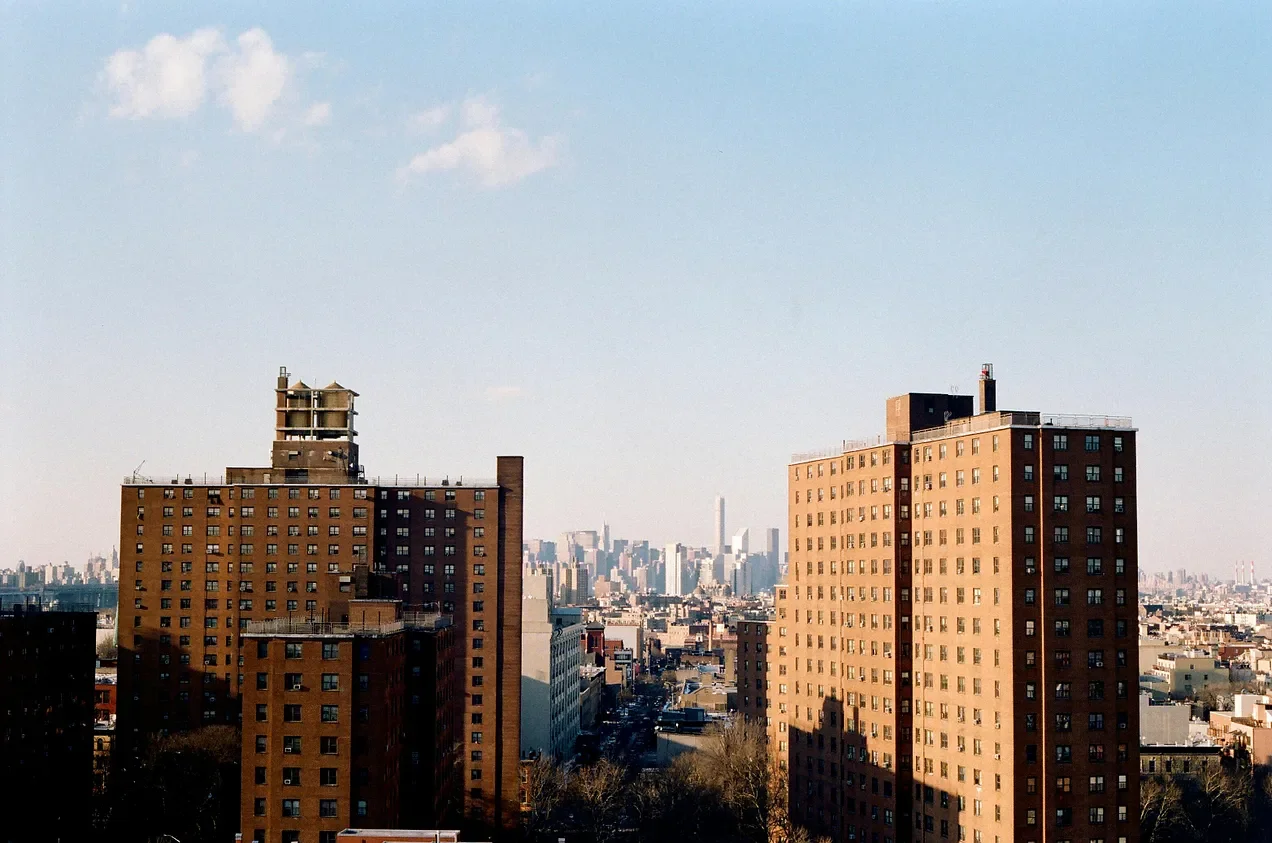
Photo by Brandon Nickerson
Yesterday, our president, Michael Matos, testified before the New York City Council’s Hearing for the Committee on Veterans, which was held jointly with the Committee on Women & Gender Equity. You can watch the full testimony below.
Committee Chair Frank Morano and his colleagues were enthusiastic about our plan, eager to hear how the Homeless Outreach Population Estimate (HOPE) goes on March 10th, and committed to supporting our push on NYCHA. But before we continue, we want to make sure you understand exactly what we're fighting for and why it has taken this long.
What is NYCHA, and what does it have to do with veterans?
The New York City Housing Authority is the largest public housing authority in the country. It houses 528,000 New Yorkers across all five boroughs, one in seventeen people in this city. For working families with limited options, it is often the difference between stable housing and nothing.
NYCHA has the legal authority, under both New York State law and federal regulation, to establish admission preferences for specific populations. They already do this. Domestic violence survivors get a preference. Intimidated witnesses get one.
Veterans do not.
This isn’t a technicality. There is a checkbox on NYCHA’s admissions preference form specifically for veterans and veterans’ families, and it’s been unchecked for far too long. The City Council has asked NYCHA to check it in 2004, 2006, and 2010. Nothing happened. This year is the fourth time in twenty-two years that the City Council has had to make the same ask, with the introduction of Res 0014-2026.
Why does this matter right now?
There are approximately 500 homeless veterans in New York City, according to the most recent (2022) local data from the U.S. Department of Housing and Urban Development’s Point-in-Time count. Nationally, veteran homelessness has declined, a genuine sign that targeted investment works. But New York City-specific figures lag, and we won’t know the true local picture until we’re on the ground counting ourselves. That’s part of why the HOPE patrol on March 10th matters.
We also spoke with the NYC Department of Social Services and asked a straightforward question: how do you track the number of veterans you encounter during the HOPE count? The answer was that they don’t. There is no dedicated methodology for identifying veterans among the unsheltered population. Which means the 500 figure is likely incomplete, and we don’t actually know how many of the people sleeping on New York City’s streets tonight served this country.
If the city isn’t counting them, we will.
The U.S. Department of Housing and Urban Development has allocated NYCHA 3,385 VA Supportive Housing vouchers, rental subsidies specifically for homeless veterans. That sounds like progress and is a valuable resource, but a voucher that helps you pay rent somewhere is not the same as a preference that moves you up the waitlist for stable, long-term affordable housing. They are different tools, and right now, veterans only have access to one of them.
What happens next
Each year, NYCHA publishes a draft Annual Agency Plan, the document that determines admissions priorities, amongst other items. That plan goes through a public comment period before it is submitted to HUD for approval. This spring, when that draft drops, we’ll be watching. If the veterans preference box is still unchecked, we will begin to take the action needed to ensure this mistake is corrected.
Next week, the Five Borough Veterans team will be on the ground for the city’s annual HOPE count, a veteran night patrol to find our homeless community members, make sure they’re counted, and connect them to resources. It is exactly the kind of work that makes clear why this housing fight matters. We’ll have more to share after that night.
In the meantime, follow along here. This is a fight that gets won through sustained presence. Not one hearing, not one resolution, but showing up every time there’s an opportunity to push.
Twenty-two years is long enough.
In Service,
The Five Borough Veterans Team
